

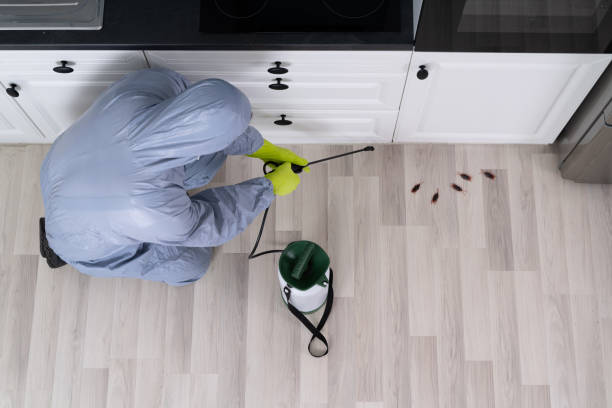
Integrated Pest Management (IPM) is a sustainable approach to controlling pests that combines cultural, biological, physical, and chemical tools in a way that minimizes economic, health, and environmental risks. The organic variant of IPM emphasizes natural solutions and ecological balance to manage pest populations effectively. Below is an in-depth guide to understanding and implementing organic IPM strategies.
What is Organic Integrated Pest Management?
- Ecosystem health: Maintaining biodiversity to naturally suppress pests.
- Non-toxic solutions: Avoiding synthetic pesticides in favor of organic methods.
- Pest monitoring: Regularly assessing pest populations to ensure timely interventions.
- Sustainable practices: Reducing reliance on external inputs by building natural resilience.
Key Components of Organic IPM
- Maintain healthy soil through composting, cover cropping, and adding organic matter.
- Rotate crops annually to prevent pest infestations tied to specific plants.
- Space plants appropriately for good air circulation and reduced risk of disease.
- Use pheromone traps or sticky traps to track pest activity.
- Conduct regular inspections for early signs of infestation or damage.
- Record observations in a logbook for pattern analysis.
- Introduce beneficial insects like ladybugs (for aphid control) or nematodes (to target soil-borne pests).
- Apply botanical insecticides like neem oil sparingly when necessary.
- Use physical barriers such as row covers or exclusion nets.
- Assess the effectiveness of applied strategies at the end of each growing season.
- Adjust techniques based on observed successes or failures.
Benefits of Organic IPM
| Benefit | Description |
| Environmental Protection | Reduces chemical runoff into water sources and minimizes harm to pollinators |
| Cost-Effectiveness | Prioritizes natural methods that often reduce long-term expenditure |
| Improved Soil Health | Encourages sustainable practices like crop rotation and composting |
| Safer Food Production | Avoids synthetic chemicals, leading to healthier produce |
Practical Tips for Success
- Create diverse habitats by planting flowers that attract pollinators and natural predators.
- Mulch garden beds with straw or bark chips to suppress weed growth and retain moisture.
- Select pest-resistant plant varieties suited for your region’s climate.
- Incorporate trap crops such as mustard or nasturtium around your primary garden beds.
Challenges and How to Overcome Them
- Time Investment: Frequent monitoring can be labor-intensive but is crucial for success. Leverage tools like automated weather stations or smart sensors when possible.
- Limited Control Options: Unlike conventional pesticides, organic approaches may take longer to show results. Be patient as ecosystems gradually come into balance.
- Knowledge Requirements: Understanding pest life cycles is key but can seem overwhelming at first; consulting local agricultural extension services can be helpful.
By incorporating these strategies into your pest management plan, you’ll foster a healthier environment while effectively managing unwanted pests without resorting to harmful chemicals—a win-win outcome for nature and agriculture alike.
How to Choose the Right Tamarac FL Exterminator for Effective Pest Management
Integrated Pest Management (IPM) is a sustainable, long-term approach to managing pests that combines biological, cultural, physical, and chemical tools. Below is a breakdown of how to establish a comprehensive IPM system effectively.
1. Assess Your Current Situation
The first step in developing an IPM strategy involves understanding the environment, identifying potential pest problems, and evaluating current practices.
- Conduct a site inspection: Look for pest activity or damage on plants, crops, or structures.
- Identify pests: Proper identification is crucial for selecting effective control methods.
- Evaluate thresholds: Determine the level of pest activity you can tolerate before intervention becomes necessary.
2. Set Action Thresholds
An action threshold refers to the point at which pest populations or environmental conditions indicate that control measures need to be taken.
- Low action thresholds are typically used in sensitive environments like hospitals or food production areas.
- Higher thresholds may be acceptable in less critical settings such as ornamental gardens.
3. Implement Preventive Measures
Preventive strategies are the backbone of any IPM system and focus on creating environments less conducive to pest infestations.
Some common preventive measures include:
– Crop rotation to disrupt pest life cycles.
– Proper waste management to eliminate food sources for pests.
– Sealing entry points around buildings to prevent access for rodents and insects.
Additionally, maintaining healthy plants through proper irrigation and fertilization helps reduce susceptibility to pests.
4. Monitor Regularly
Routine monitoring allows you to track pest populations over time and evaluate the effectiveness of implemented strategies.
| Monitoring Method | Purpose | Tools Needed |
| Visual inspection | Identify visible signs of pests | Hand lens, notebook |
| Sticky traps | Detect flying insect populations | Sticky cards |
| Soil sampling | Check for root-damaging organisms | Soil probes |
Maintaining detailed records ensures patterns can be identified and informed decisions can be made in future seasons.
5. Use Targeted Control Methods When Necessary
Biological Controls: Introduce natural predators like ladybugs (for aphids) or nematodes (for soil-borne pests).
Physical Controls: Use traps or barriers such as row covers or screens designed specifically for certain pest types.
Cultural Practices: Adjust planting times or use resistant crop varieties where available.
If chemical measures are required as a last resort:
1. Select pesticides with minimal environmental impact.
2. Follow all label instructions carefully.
3. Apply chemicals only in affected areas rather than blanket spraying.
6. Evaluate Effectiveness
- Were pest numbers reduced below threshold levels?
- Did beneficial organisms remain unaffected?
- Were economic losses minimized?
Adjust practices as necessary based on these evaluations for ongoing improvement.
By following these steps systematically within an IPM framework, you can achieve effective and sustainable pest control tailored specifically to your situation while prioritizing ecological balance and safety concerns.
Effective Tamarac FL Pest Removal Using Physical Barriers and Traps
Physical barriers and traps are essential tools for effective pest prevention, particularly when striving for eco-friendly pest management solutions. These methods are designed to deter pests without relying on chemical pesticides, making them ideal for sustainable gardening, agriculture, and even indoor pest control. Below, we explore the key types of physical barriers and traps, their advantages, and how to implement them effectively.
1. Types of Physical Barriers
- Row Covers: Lightweight fabrics draped over crops to protect against flying insects like moths or aphids while allowing sunlight, water, and air to reach the plants.
- Netting: Fine mesh netting is effective at keeping out larger pests such as birds and rodents.
- Mulches: Organic or synthetic mulches can prevent soil-dwelling pests from emerging while also suppressing weeds.
- Fencing: Deer fencing or fine mesh fences are useful for protecting gardens from larger animals such as deer or rabbits.
| Barrier Type | Target Pests | Durability | Additional Benefits |
| Row Covers | Insects (e.g., aphids) | Moderate | Allows air and water flow |
| Netting | Birds, rodents | High | Reusable; lightweight |
| Mulches | Soil-borne pests | Moderate | Retains soil moisture; reduces weeds |
| Fencing | Deer, rabbits | High | Long-lasting protection |
2. Effective Use of Pest Traps
- Sticky Traps: Adhesive surfaces that trap flying insects such as whiteflies or gnats when they come into contact with the sticky material.
- Pheromone Traps: Designed to attract specific pests (e.g., moths) using synthetic pheromones that mimic natural scents.
- Mechanical Traps: These include snap traps or cage traps commonly used for rodents.
- Light Traps: Electric devices that emit UV light to attract flying insects like mosquitoes.
3. Benefits of Physical Barriers and Traps
- Eco-Friendly: Limits the need for chemical pesticides that may harm beneficial insects and pollinators.
- Target-Specific Control: Allows you to focus on specific pest species without impacting others in the ecosystem.
- Cost-Effective: Many barriers such as netting or fencing can be reused season after season.
4. Best Practices for Implementation
- Identify common pests in your garden or property before selecting appropriate barriers or traps.
- Regularly inspect barriers for damage caused by weather conditions or persistent pests.
- Place traps strategically near known pest habitats (e.g., sticky traps near infested plants).
- Monitor trap activity frequently so you can adjust placement if necessary.
By integrating these techniques into your pest control routine, you can achieve long-term protection against infestations while maintaining a healthy environment around your garden or home.
Understanding How Pest Control Service Tamarac FL Utilizes Barriers and Traps for Effective Prevention
Physical barriers and traps are essential tools in a comprehensive pest prevention strategy. They offer an environmentally friendly, cost-effective, and sustainable method to protect crops, gardens, and even homes from unwanted pests. By creating physical obstructions or strategically placing traps, you can reduce dependency on chemical pesticides while maintaining a healthy ecosystem. Below is an in-depth look at the role of these methods and how to implement them effectively.
Types of Physical Barriers for Pest Control
- Row Covers: Lightweight fabric covers placed over plants that allow sunlight, air, and moisture through while keeping pests such as aphids, caterpillars, and beetles away.
- Mulching: Organic or inorganic mulch can act as a barrier against soil-dwelling pests like slugs or cutworms by limiting their access to plant roots.
- Fencing: Wire mesh fencing is effective for keeping larger pests such as deer, rabbits, or wild boars out of agricultural areas.
- Netting: Mesh netting prevents birds from damaging fruit trees or berries without harming the animals.
- Sticky Collars/Bands: These barriers are wrapped around tree trunks to stop crawling insects like ants or caterpillars from climbing up.
Common Traps for Targeted Pest Control

- Adhesive cards coated with a sticky substance attract insects like whiteflies, gnats, and fungus flies.
- Available in bright colors (e.g., yellow) that draw specific types of pests.
- Emit synthetic pheromones that mimic those released by female insects to attract males.
- Particularly effective against moths, beetles, and other flying insects.
- Use ultraviolet light to attract night-flying insects like moths before trapping them within an electric grid or glue pad.
- Ideal for controlling rodents such as rats and mice within residential areas.
Benefits of Using Physical Barriers and Traps
- Eliminates the need for harmful chemicals that may disrupt ecosystems.
- Safer for pollinators like bees and butterflies.
- Once installed properly, barriers often require minimal maintenance over time.
- Reusable materials (like netting) make this solution economical in the long run.
- Many types of traps target specific pest species without harming beneficial organisms.
- Prevents infestation early on by keeping pests at bay during critical growing periods.
Best Practices for Implementing Barriers & Traps
| Task | Recommendation |
| Selection | Choose materials suited to your specific pest problem (e.g., fine mesh for small insects). |
| Installation | Secure barriers tightly around plants or structures to avoid gaps that allow entry points. |
| Monitoring | Check traps regularly so they don’t overflow with captured pests. |
| Maintenance | Clean reusable components such as netting after harvesting seasons. |
| Rotation | Move traps occasionally if they stop catching pests effectively due to habituation. |
By incorporating physical barriers and carefully designed traps into your pest control plan, you contribute significantly toward minimizing reliance on chemicals while promoting biodiversity in your environment.
Understanding the Importance of Soil Health and Crop Spacing in Pest Reduction
Soil health and strategic crop spacing play a critical role in reducing pest populations and maintaining a thriving garden or farm. By fostering an environment that promotes healthy plant growth and discourages pest infestations, these natural methods can reduce dependence on chemical pesticides, enhance biodiversity, and improve overall yield. Below is an exploration of how soil health and crop spacing work together to create a pest-resistant system.
The Role of Healthy Soil in Pest Management
- Nutrient Availability
Healthy soil contains essential nutrients like nitrogen, phosphorus, and potassium that fuel plant development. Nutrient-deficient plants are weaker and more prone to attacks from pests like aphids or beetles. - Beneficial Microorganisms
Living organisms such as bacteria, fungi, and nematodes in the soil help suppress harmful pests by outcompeting them for resources or directly attacking them. For example:
| Beneficial Organism | Targeted Pests |
|—————————–|————————————|
| Mycorrhizal Fungi | Soil-borne pathogens |
| Bacillus thuringiensis (Bt) | Caterpillars, grubs | - Improved Water Retention
Soils with high organic matter retain moisture efficiently while avoiding waterlogging. Balanced moisture levels discourage pests like fungus gnats that thrive in overly wet conditions.
The Impact of Crop Spacing on Pest Prevention
- Reduced Disease Spread
Closely packed plants trap humidity and limit airflow, encouraging fungal diseases such as powdery mildew or blight. Spaced-out planting reduces this risk significantly. - Physical Obstruction for Pests
Pests often rely on dense foliage to shelter themselves from predators. Wider gaps between plants make it harder for pests like leaf miners or caterpillars to hide. - Enhanced Access for Natural Predators
Openly spaced crops improve visibility for beneficial insects such as ladybugs or birds that feed on pest populations.
Best Practices for Enhancing Soil Health & Optimizing Crop Spacing
- Test Soil Regularly: Conduct routine soil tests to assess nutrient levels and pH balance.
- Add Organic Matter: Incorporate compost or well-rotted manure to enrich microbial activity.
- Rotate Crops: Prevent nutrient depletion by changing crop types each season.
- Practice Intercropping: Alternate rows with complementary species that deter shared pests.
- Maintain Adequate Spacing: Follow plant-specific guidelines when determining row width and distance between individual plants.
By focusing on improving soil health alongside intentional crop spacing design, gardeners can create a resilient system less reliant on synthetic pest control measures while supporting long-term agricultural sustainability.
Companion Planting and Trap Crops: Natural Methods for Managing Pests
Companion planting and trap crops are two highly effective, natural pest management techniques that promote a healthier ecosystem while reducing the need for chemical inputs. These methods leverage plant biodiversity to suppress pests and protect your crops from potential infestations.
What is Companion Planting?
Companion planting involves growing different plants together that benefit each other by deterring pests, attracting beneficial insects, or improving soil health. The key idea is to create a symbiotic relationship where plants support one another’s growth and protection.
Benefits of Companion Planting:
– Pest Repellent Properties: Some plants emit natural chemicals that deter specific pests.
– Attract Beneficial Insects: Certain flowers attract predatory insects like ladybugs or lacewings.
– Improved Growth: Pairing certain plants enhances nutrient uptake and soil quality.
Examples of Companion Planting Combinations: | Primary Crop | Companion Plants | Benefits | |—————-|—————————-|—————————————| | Tomatoes | Basil, Marigolds | Basil repels aphids; marigolds deter nematodes. | | Cabbage | Dill, Nasturtium | Dill attracts predatory wasps; nasturtiums repel cabbage worms. | | Carrots | Onions, Chives | Onions repel carrot flies; chives enhance flavor. | | Corn | Beans, Squash | Beans fix nitrogen; squash shades out weeds. |
What are Trap Crops?
Trap crops are sacrificial plants grown specifically to attract pests away from your primary crops. By drawing the pests toward these decoy plants, you can minimize damage to your valuable produce.
Benefits of Trap Crops:
– Concentrate Pests in One Area: Makes monitoring and controlling infestations easier.
– Reduce Pesticide Use: Targeted pest control reduces the need for broad-spectrum applications.
– Preserve Main Crops: Protect high-value crops by diverting pest activity.
Examples of Common Trap Crops:
– Nasturtiums: Attract aphids, keeping them away from vegetables like beans or squash.
– Radishes: Draw root maggots away from cabbages or turnips.
– Sunflowers: Divert stink bugs from tomatoes and peppers.
Strategies for Effective Integration
- Identify Target Pests: Research common pests in your area to choose appropriate companion or trap crops.
- Follow Spacing Guidelines: Proper spacing ensures companion plants have room to grow without competing with primary crops.
- Rotate Crops Annually: Prevent pests from building up in the same area year after year by rotating both companions and traps.
- Combine with Other Methods: Use alongside physical barriers (e.g., row covers) or biological controls (e.g., beneficial insects) for comprehensive protection.
By embracing companion planting and incorporating trap crops into your garden design, you can manage pests more sustainably while fostering a more resilient ecosystem. These methods not only reduce reliance on harmful chemicals but also promote biodiversity within your growing space.
Effective Tamarac Pest Control Solutions for a Safer Environment
Implementing natural pest control solutions not only reduces reliance on chemical pesticides but also promotes a healthier ecosystem. By adopting proven, eco-friendly practices, you can manage pests effectively while protecting the environment, human health, and beneficial organisms. Below are effective and time-tested strategies you can incorporate into your pest management plan.
1. Encouraging Beneficial Insects
Beneficial insects play a vital role in controlling pest populations. Inviting these helpful predators into your garden or property can significantly reduce harmful pests like aphids, caterpillars, and beetles.
Some common beneficial insects include:
– Ladybugs: Effective in controlling aphids and mites.
– Praying Mantises: Excellent for tackling larger pests like grasshoppers.
– Parasitic Wasps: Target caterpillars and other larvae by laying their eggs inside the pests.
– Lacewings: Feed on aphids, thrips, and whiteflies.
You can attract beneficial insects by planting nectar-rich flowers such as marigolds, dill, fennel, or yarrow around your garden.
2. Using Homemade Organic Sprays
| Spray Type | Recipe Ingredients | Target Pests |
| Garlic Spray | Blend garlic cloves with water; strain before use | Aphids, caterpillars |
| Neem Oil Spray | Mix neem oil with water and mild dish soap | Whiteflies, mealybugs |
| Chili Pepper Spray | Blend chili peppers with water; strain thoroughly | Soft-bodied insects |
These sprays are easy to prepare at home and can be applied directly to affected plants.
3. Companion Planting for Pest Management
Companion planting involves growing certain plant combinations that deter pests naturally or attract predators of common garden pests.
Examples of companion planting:
– Tomatoes + Basil: Repels whiteflies and mosquitoes.
– Carrots + Onions: Deters carrot flies and onion flies.
– Cabbage + Nasturtium: Attracts aphids away from cabbage plants (trap cropping method).
For effective results, research suitable plant pairings specific to the crops in your garden.
4. Physical Barriers for Prevention
Physical barriers provide a non-toxic way to protect crops from damaging insects without affecting soil health or surrounding ecosystems.
Types of barriers:
– Floating Row Covers: Fine mesh fabric that prevents insect access while allowing sunlight and moisture through.
– Mulches: Straw or wood chips discourage soil-dwelling pests such as slugs.
– Copper Tape: Used around pots or beds to repel slugs and snails effectively.
By creating physical barriers early in the growing season, you minimize the chances of infestation later on.
5. Crop Rotation Practices
Rotating crops annually disrupts the lifecycle of pests that target specific plants.
For example:
– Avoid planting members of the same plant family (e.g., tomatoes followed by peppers) in consecutive years within the same soil area.
This practice reduces pest pressure while improving overall soil health over time.
Natural pest control solutions are not only sustainable but also cost-effective when implemented consistently over seasons. A combination of these methods will reduce dependency on synthetic chemicals while fostering long-term ecological balance within your environment.
- Effective Tamarac Pest Control Strategies for Dealing with Common Household Pests
- Finding the Best Pest Control Company Tamarac FL for Preventing Infestations in Homes and Businesses
- How Tamarac Pest Control Can Help Homeowners Tackle Weather-Driven Pest Activity
- Effective Solutions from a Pest Control Company Tamarac FL to Stop Infestations Quickly
- Effective Tamarac Pest Control Solutions to Reclaim Your Peace of Mind
- Comprehensive Guide to Choosing a Pest Control Company Tamarac FL for Effective Solutions
- Tamarac Pest Control: Effective Strategies to Prevent Common Household Pests
- Effective Pest Control Methods from a Trusted Pest Control Company Tamarac FL
- Effective Tamarac Pest Control: Tips for Identifying and Managing Common Household Pests