


Preventing pest infestations is a critical aspect of maintaining healthy, safe, and comfortable environments in both commercial and residential spaces. A proactive approach not only ensures a cleaner environment but also reduces the financial burden of addressing infestations later. Here are some effective strategies to prevent pests from invading your property.
1. Maintain Cleanliness
- Regularly clean floors, countertops, and other surfaces to eliminate crumbs and spills that may attract insects or rodents.
- Dispose of garbage properly, ensuring trash bins are sealed with tight-fitting lids.
- Clean up food waste immediately after meals to prevent pests like ants, cockroaches, and flies.
2. Seal Entry Points
Pests often gain access through small cracks or openings in walls, doors, windows, or foundations.
To keep them out:
– Inspect your property for possible entry points such as gaps around doors and windows or cracks in walls.
– Use weatherstripping or caulking to seal any openings around windows and doors.
– Install screens on vents and repair damaged ones promptly.
| Common Entry Points | Recommended Action |
| Cracks in walls or foundation | Seal with caulk or expanding foam |
| Gaps beneath doors | Install door sweeps |
| Torn window screens | Repair or replace screens |
3. Eliminate Standing Water
Standing water provides an ideal breeding ground for mosquitoes and other pests:
– Fix leaky pipes, faucets, or air conditioning units promptly.
– Clean gutters regularly to prevent water accumulation.
– Avoid overwatering plants and ensure proper drainage around the property.
4. Store Food Properly
Pests are drawn to easily accessible food sources:
– Use airtight containers for storing grains, cereals, pet food, and other dry goods.
– Avoid leaving perishable foods uncovered for long periods.
– Regularly inspect pantry items for signs of pest activity.
5. Conduct Routine Inspections
Frequent inspections can help identify potential problem areas before they escalate into full-blown infestations:
– Check storage areas like basements or attics for droppings, nests, or chew marks.
– Inspect outdoor areas such as gardens or garbage bins for signs of rodents or insects.
6. Utilize Professional Pest Control Services
While DIY methods can be helpful as preventative measures, partnering with a professional pest control service adds an additional layer of protection:
– Professionals can assess vulnerabilities specific to your property type (commercial vs residential).
– They can apply preventative treatments that deter pests before they become a problem.
A combination of these strategies creates an effective barrier against pests while fostering healthier environments within commercial buildings as well as homes.
The Importance of Tamarac Pest Control for Businesses and Property Owners
Pest prevention is a critical task for both residential and commercial property owners. While pests may seem like a minor nuisance, they can pose significant risks to health, safety, property integrity, and even reputations. Understanding the importance of proactive pest management can save time, money, and stress in the long term.
Reliable Tamarac FL Exterminator Services for Your Health and Safety
- Rodents can spread diseases such as salmonella or hantavirus through their droppings.
- Cockroaches frequently carry bacteria like E. coli and can exacerbate allergies or asthma.
- Mosquitoes are notorious vectors for diseases like malaria, dengue fever, and West Nile virus.
By preventing infestations early on, businesses and homeowners can mitigate these health risks.
Effective Tamarac FL Pest Removal to Prevent Structural Damage
- Termites feed on wood materials and can weaken the structural integrity of homes or offices.
- Carpenter ants burrow into wooden structures to build nests.
- Rodents gnaw through insulation wires or drywall, which could even lead to electrical fires.
Repairing pest-related damage often comes with a high price tag. Taking preventive measures eliminates the need for costly repairs in the future.
Effective Pest Control Service Tamarac FL to Protect Your Business Reputation
- Negative reviews on online platforms
- Loss of loyal customers
- Potential health code violations that could result in fines or closure
Preventative pest control practices ensure businesses maintain their professional image while adhering to industry regulations.
Financial Benefits of Prevention
| Type of Expense | Estimated Costs |
| Property Repairs | Thousands of dollars depending on damage |
| Professional Extermination | Costs increase with severity of infestation |
| Lost Revenue | Due to temporary closures |
Proactive prevention minimizes these expenditures by addressing problems before they escalate.
Environmental Benefits
Effective prevention strategies often involve environmentally responsible methods that reduce reliance on harsh chemical pesticides. Integrated Pest Management (IPM) techniques focus on sustainable solutions like sealing entry points or maintaining cleanliness. These approaches not only limit environmental impact but also promote safer living conditions for humans and pets alike.
By emphasizing regular inspections, sanitation practices, employee training (for businesses), and collaborating with professional pest control services when needed—property owners can take significant steps toward minimizing risks associated with pests while maintaining safe spaces for occupants or customers alike. Prevention is always more effective than dealing with an active infestation later on.
How to Identify Warning Signs of a Potential Pest Infestation
Detecting the early signs of a pest infestation is essential for maintaining healthy and safe environments in both residential and commercial spaces. Early intervention can save time, money, and prevent further damage. Below are some critical warning signs to look for when assessing potential pest activity.
Physical Evidence of Pests
- Droppings: Small, pellet-like droppings can indicate rodents or larger insects such as cockroaches.
- Shed Skin or Casings: Many pests, especially insects like bed bugs or cockroaches, shed their skin or leave behind egg casings as they grow.
- Gnaw Marks: Rodents often chew on wires, furniture, walls, or food packaging. Look for teeth marks, particularly around baseboards or cabinets.
- Grease Trails: Rats and mice tend to leave greasy marks along walls and surfaces as they travel the same routes repeatedly.
Unusual Sounds
Sounds can also help identify pest infestations that aren’t immediately visible:
– Scratching Noises: Scraping or scratching sounds in walls, ceilings, or attics may indicate rodent activity at night.
– Buzzing: A persistent buzzing sound could point to an issue with flying insects like bees or wasps nearby.
– Rustling Noises: Movement in storage areas such as basements or attics might suggest critters like rodents nesting in these places.
Foul Odors
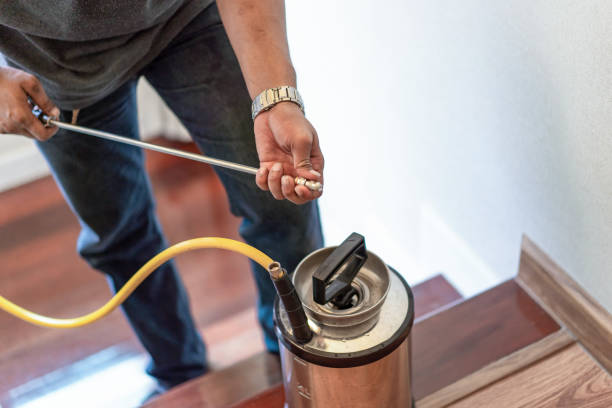
Pests often emit specific smells that can alert you to their presence:
– Musty Smell: Indicates mold caused by moisture-loving pests such as termites.
– Ammonia-like Odor: A strong urine smell may point towards rodents living close by.
– Rotting Smell: A decaying odor might signal dead pests hidden in walls or inaccessible areas.
| Pest Type | Common Odor | Likely Source |
| Rodents | Ammonia-like smell | Urine trails |
| Termites | Musty/Mildew | Moist wood |
| Dead Pests | Rotting odor | Hidden carcasses |
Property Damage
Structural damage is another critical clue of pest infestations:
1. Damaged Wood – Termite infestations often cause hollow-sounding wood structures due to internal tunneling.
2. Chewed Wires – Electrical wiring damaged by rodents poses safety risks such as fire hazards.
3. Holes – Tiny holes in walls or floors could indicate insect burrowing activity.
4. Damaged Plants – Outdoor plants with chewed leaves may be targeted by caterpillars or other garden pests.
Clusters and Nests
Pests typically build nests for shelter and reproduction:
– Check secluded areas like attics, basements, storage rooms, and cabinets for nest formations made from shredded materials (paper, fabric).
– Ants and termites may create mounds near building foundations outdoors — a sign of colonies expanding underground.
Increased Pest Sightings
Even occasional sightings shouldn’t be ignored:
– Live insects roaming during daylight hours could indicate overcrowded colonies forcing daytime activity.
– Seeing frequent rodent sightings might mean populations are growing beyond containment levels.
– Pay attention to patterns — if sightings become routine rather than rare occurrences over weeks/months escalating action applies sooner than later
Timely identification & response minimizes long-term costs/risks
How to Identify Warning Signs of a Potential Pest Infestation
Identifying the warning signs of a pest infestation early can save significant time, money, and effort. By recognizing the indicators, both residential and commercial property owners can take prompt action to address the issue before it escalates. Below are some common warning signs to watch for, categorized by pest type.
General Warning Signs
- Unusual Odors: Many pests, such as rodents or cockroaches, produce distinct smells. A musty or oily odor could indicate their presence.
- Droppings or Urine Stains: Discovering droppings is one of the most obvious signs of an infestation. Rodents leave small pellet-like droppings, while insects like cockroaches may leave smear marks or tiny black specks resembling ground pepper.
- Damage to Property: Gnawed wires, chewed furniture, holes in walls, or damaged food packaging often signal pests like rodents or termites.
- Noise: Scratching sounds in walls, ceilings, or attics during night hours might indicate a rodent problem.
- Sightings: Spotting live pests during the day often suggests a severe infestation since many pests are nocturnal and avoid daylight exposure.
Specific Indicators Based on Pest Type
| Pest Type | Warning Signs |
| Rodents | Chewed electrical wires, gnaw marks on wood/furniture; burrow holes near entry points; small greasy trails along walls |
| Cockroaches | Small dark droppings near food areas; egg casings; foul smell in hidden spaces (like under sinks or behind appliances) |
| Ants | Trails of ants leading to food sources; piles of fine dirt near cracks (from ant nests); visible nests outdoors |
| Termites | Hollow-sounding wood when tapped; small piles of sawdust; mud tubes along walls or foundations |
| Bed Bugs | Reddish-brown stains on bedding; itchy bites on skin in clusters/rows; discarded shells from molting bugs |
Outdoor Warning Signs
- Evidence of nesting materials such as grass clippings or shredded paper around openings.
- Increased sightings of insects around windowsills or doorways.
- Dead insects accumulating near light sources.
Proactive Inspection Tips
To stay ahead of infestations:
1. Regularly inspect dark and hidden spaces such as basements, attics, and crawl spaces for potential pest activity.
2. Check storage areas for torn packaging materials and spilled food items.
3. Monitor ventilation systems and plumbing leaks that might attract moisture-loving pests such as termites or silverfish.
By staying vigilant about these indicators and addressing them promptly with effective solutions—whether self-managed treatments for minor issues or professional pest control services for larger concerns—you can minimize property damage and maintain healthier living environments.
Investing in Quality Pest Control Services for Long-Term Solutions
Effective pest control is not just about eliminating existing infestations; it is also about creating a long-term strategy to prevent pests from becoming a recurring issue. Whether you are a homeowner or a business owner, investing in professional pest control services can save time, money, and resources while ensuring the safety and comfort of your property. Here’s why quality pest control services are worth the investment and how they contribute to long-term solutions.
The Benefits of Professional Pest Control Services
- Expert Knowledge
Licensed pest control technicians are trained to identify the type of pests affecting your property. They understand pest behaviors, breeding patterns, and entry points, which allows them to implement targeted solutions effectively. - Comprehensive Inspections
A professional service includes thorough inspections to locate nesting sites, food sources, and areas of vulnerability within your property. This ensures that no hidden infestation goes unnoticed. - Safe and Effective Treatments
Pest control professionals use eco-friendly and regulated chemical treatments that eliminate pests without jeopardizing the health of inhabitants or the environment. DIY methods often rely on harsh chemicals that could pose risks when misapplied. - Customized Treatment Plans
Every property has unique needs when it comes to pest control. Professionals tailor their strategies based on the specific challenges of your home or business.
Why Invest in Long-Term Solutions?
A one-time treatment may offer temporary relief from pests but does not address underlying causes or prevent future infestations. Long-term solutions focus on preventative measures to safeguard your property for years to come.
- Regular Maintenance Visits
Routine inspections ensure early detection of potential infestations before they escalate into significant problems. - Structural Recommendations
Professionals may suggest repairs or upgrades such as sealing cracks in walls, fixing leaky pipes, and closing gaps around doors and windows—all common entry points for pests. - Integrated Pest Management (IPM)
Many pest control companies offer IPM programs that combine chemical treatments with non-toxic methods such as traps, barriers, and habitat modification. - Education for Property Owners
Quality services often include guidance on sanitation practices or landscaping adjustments that discourage pests from thriving near your space.
Cost vs. Value: A Look at Long-Term Savings
| Expense Type | Without Professional Services | With Professional Services |
| Property Damage | High (e.g., structural repairs from termite damage) | Low (preventative measures protect infrastructure) |
| Health Risks | Increased exposure due to DIY handling | Reduced with safe treatments |
| Business Interruptions | Frequent shutdowns from recurring infestations | Consistent operations through preventive care |
Investing in ongoing maintenance reduces these risks significantly over time.
Choosing the Right Pest Control Provider
- Look for certifications like QualityPro accreditation or regional licensing.
- Read reviews to evaluate customer satisfaction.
- Ask about guarantees or warranties tied to their service plans.
- Ensure they offer transparent pricing with no hidden costs.
Long-term success depends on partnering with a trusted provider who places emphasis on prevention as much as elimination.
By prioritizing professional expertise and customized approaches today, you ensure peace of mind tomorrow while protecting your investment—be it residential comfort or commercial efficiency—from damaging pests permanently.
- Effective Tamarac Pest Control Strategies for Dealing with Common Household Pests
- Finding the Best Pest Control Company Tamarac FL for Preventing Infestations in Homes and Businesses
- How Tamarac Pest Control Can Help Homeowners Tackle Weather-Driven Pest Activity
- Effective Solutions from a Pest Control Company Tamarac FL to Stop Infestations Quickly
- Effective Tamarac Pest Control Solutions to Reclaim Your Peace of Mind
- Comprehensive Guide to Choosing a Pest Control Company Tamarac FL for Effective Solutions
- Tamarac Pest Control: Effective Strategies to Prevent Common Household Pests
- Effective Pest Control Methods from a Trusted Pest Control Company Tamarac FL
- Effective Tamarac Pest Control: Tips for Identifying and Managing Common Household Pests