


Weather plays a significant role in influencing pest behavior and activity patterns. Understanding these correlations is essential for homeowners looking to protect their property from infestations and damage. By recognizing how various weather conditions impact pests, you can take proactive steps to mitigate issues before they arise.
How Weather Impacts Pest Behavior According to a Tamarac FL Exterminator
- Temperature: Extreme heat or cold influences pest survival rates and migration patterns.
- Humidity: Many pests thrive in moist environments, making high humidity a key factor in pest infestations.
- Rainfall: Heavy rainfall can displace pests or create ideal breeding grounds for species like mosquitoes.
- Wind: Wind patterns assist certain pests in spreading to new areas.
Being aware of these influences can help you anticipate when your home may be at greater risk of pest infestations.
Understanding Seasonal Pest Activity in Tamarac FL Pest Removal
| Season | Common Pests | Key Weather Factors | Prevention Tips |
| Spring | Ants, termites, mosquitoes | Rising temperatures | Seal entry points; eliminate standing water |
| Summer | Mosquitoes, flies | Heat and humidity | Install screens; use repellents |
| Fall | Rodents, spiders | Cooler temperatures | Clear debris; inspect your attic |
| Winter | Cockroaches, rodents | Seeking warmth indoors | Secure food storage; seal cracks |
Understanding seasonal trends allows homeowners to adopt targeted control methods tailored for each period.
Understanding How Extreme Weather Impacts Pest Control Service Tamarac FL
- Can drive pests like cockroaches and rodents indoors as they seek shelter.
- Often lead to an increase in mosquito populations due to standing water left behind.
- Force pests like ants and spiders into homes searching for water sources.
- Reduce outdoor food availability for some species, intensifying indoor activity.
To address such scenarios: – Regularly check your home for leakages or areas of moisture buildup after storms. – Store food properly during drier months to avoid attracting scavenging pests.
Practical Steps Homeowners Can Take
- Trim back foliage to reduce hiding spots for pests.
- Ensure proper drainage to prevent standing water.
- Check windowsills, doors, vents, and baseboards for cracks or gaps that allow access.
- Schedule routine inspections with licensed pest control services during peak seasons.
- Use dehumidifiers in damp areas such as basements or crawl spaces.
By understanding the relationship between weather conditions and pest behavior, you can create a safer environment for your family while minimizing potential damage caused by unwelcome invaders. Proactive measures combined with consistent monitoring will ensure long-term protection against seasonal surges in pest activity.
How a Pest Control Company in Tamarac FL Can Help Protect Your Home from Weather-Driven Pest Activity
Weather is one of the most significant factors influencing pest activity. Changes in temperature, humidity, wind patterns, and rainfall can dramatically alter pest behavior, population sizes, and the likelihood of infestations in your home. Understanding these weather patterns can help homeowners take preventive measures to reduce pest-related risks.
Warm Weather
- Increased Reproductive Cycles: Many pests, such as mosquitoes and ants, thrive in warm weather. Higher temperatures accelerate their breeding cycles, leading to larger populations.
- Migration Indoors: As outdoor temperatures soar during summer months, pests like cockroaches and rodents may seek cooler environments inside homes.
Cold Weather
- Seeking Shelter: During colder months, pests such as rodents and spiders are driven indoors to escape freezing temperatures.
- Decreased Activity Outdoors: While some pests hibernate (e.g., certain insects), others become less active during winter. For example, mosquitoes disappear almost entirely in frigid conditions.
Rainfall
- Flooding Forces Movement: Heavy rains can drive ground-dwelling pests like ants and cockroaches into homes as their nests or burrows get flooded.
- Creates Breeding Grounds: Standing water after rainfall provides ideal breeding habitats for mosquitoes.
Humidity
- High humidity levels create an environment conducive to pests such as termites and mold mites that thrive on moisture.
Common Pests Linked to Weather Patterns
| Weather Condition | Common Pests Observed | Key Concerns |
| Hot/Dry | Ants, Cockroaches | Indoor infestation due to heat |
| Rainy | Mosquitoes, Termites | Breeding grounds; structural damage |
| Cold | Rodents, Spiders | Shelter-seeking behavior indoors |
| Humid | Termites, Mold Mites | Wood damage; allergy triggers |
How These Patterns Impact Your Home
- Termites flourish in humid conditions or after prolonged rainfall. They can compromise the structural integrity of wooden components in your home.
- Mosquitoes are carriers of diseases like dengue fever or West Nile virus. Their populations spike after heavy rains when stagnant water is available for breeding.
- Rodents entering homes during colder weather can contaminate food sources with droppings or chew through electrical wiring.
Steps to Mitigate Weather-Induced Pest Problems
- Inspect your home’s foundation for cracks or gaps where pests may enter.
- Remove standing water around your property post-rainfall.
- Keep gutters clean to avoid creating excessive moisture near your roofline.
- Invest in dehumidifiers for areas prone to high humidity (e.g., basements).
- Regular evaluations by pest control professionals can identify issues before they get out of hand.
By understanding how fluctuating weather patterns influence pest behavior around your home, you can better prepare yourself against potential infestations while preserving both indoor comfort and safety.
Humidity and Its Impact on Pest Behavior: What You Should Know to Protect Your Home
Humidity plays a significant role in influencing the behavior, reproduction, and survival of pests. Excess moisture creates ideal conditions for a variety of pests to thrive, making it essential for homeowners to understand how humidity impacts pest activity and what steps they can take to safeguard their homes.
Why Humidity Attracts Pests
- Moisture Source: Many pests, like cockroaches, silverfish, and centipedes, require moisture-rich environments to stay hydrated.
- Favorable Breeding Conditions: Increased humidity accelerates the breeding cycles of certain pests such as mosquitoes and termites.
- Weakened Structures: Excess moisture can cause wood in your home to rot or weaken, making it easier for wood-destroying pests like termites or carpenter ants to infest.
- Mold Growth: Humid conditions often lead to mold growth, which attracts mold-loving bugs like fungus gnats or booklice.
Common Pests Associated with High Humidity
| Pest | Preferred Environment | Concern |
| Cockroaches | Bathrooms, kitchens | Carry diseases |
| Termites | Damp wood areas | Structural damage |
| Silverfish | Basements, bathrooms | Damage to books/paper |
| Mosquitoes | Standing water | Spread harmful diseases |
| Centipedes | Damp basements/crawl spaces | Painful/irritating bites |
How Humidity Impacts Pest Behavior
- Increased Activity: In humid conditions, some species such as mosquitoes become more active as their breeding sites proliferate in standing water.
- Relocation Indoors: During periods of high outdoor humidity or rainfall, pests often seek refuge indoors where conditions may be more stable.
- Extended Lifespan: For species like dust mites or mold mites that thrive in damp areas, higher humidity increases reproduction rates and lifespan.
Preventative Measures Against Humidity-Induced Pests
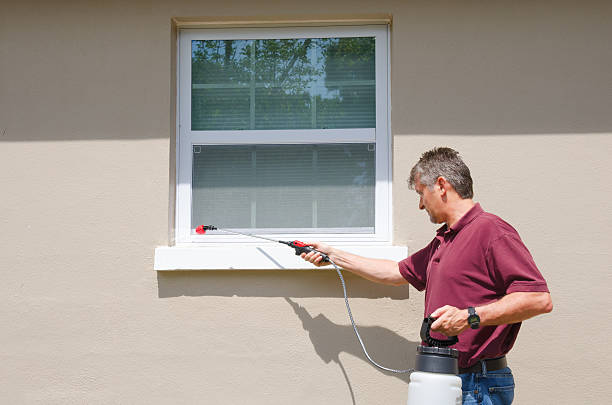
- Improve Ventilation: Ensure proper ventilation in bathrooms, kitchens, and basements by installing exhaust fans or using dehumidifiers.
- Fix Leaks Promptly: Repair leaking pipes or faucets immediately to prevent water accumulation that could attract pests.
- Seal Entry Points: Block cracks or crevices around windows and doors where moisture-seeking insects might enter.
- Regular Cleaning: Wipe down surfaces prone to condensation (e.g., windowsills) regularly to remove excess moisture.
- Landscaping Maintenance: Trim vegetation around your property and ensure proper yard drainage so water does not pool near your foundation.
By understanding the link between humidity levels and pest behavior while taking preventive steps against moisture buildup indoors and outdoors alike—you can significantly reduce the risk of infestation year-round.
Rainfall and Its Role in Increasing Pest Populations Around Your Property
Rainfall, while essential for ecosystems, can significantly influence pest activity around your home. An increase in moisture levels creates the perfect conditions for certain pests to thrive, while also driving others indoors. Understanding how rainfall impacts pest populations can help homeowners take proactive steps to safeguard their property.
Why Rainfall Increases Pest Activity
- Moisture Attraction: Many pests, such as mosquitoes and termites, rely on moisture-rich environments for survival and reproduction.
- Flooding of Habitats: Heavy rainfall can displace pests like ants or rodents from their natural habitats, forcing them to seek shelter indoors.
- Increased Food Sources: Standing water or damp conditions may attract other organisms (e.g., algae, fungi), which serve as food sources for certain pests.
Common Pests Linked to Rainfall
| Pest Type | Behavior During/After Rainfall | Potential Damage to Property/Home |
| Mosquitoes | Lay eggs in stagnant water left behind by rain | Spread diseases such as West Nile Virus |
| Termites | Swarm during warm, rainy periods; seek moist wood | Damage wooden structures |
| Ants | Move colonies indoors due to flooded nests | Contaminate food supplies |
| Rodents | Seek warmth/shelter in homes when outdoor nests are flooded | Gnaw on wiring or insulation |
How to Prevent Pests After Heavy Rainfall
- Regularly check your yard for puddles or containers holding water.
- Drain bird baths, empty buckets, and clear clogged gutters.
- Inspect windows, doors, and vents for cracks or gaps where pests could enter.
- Use caulking or weatherstripping to secure these areas.
- Trim back shrubs and trees near your home’s foundation.
- Ensure proper drainage so that water does not pool around your property.
- Use a dehumidifier in damp spaces such as basements or crawlspaces.
- Fix leaks promptly—whether it’s a dripping faucet or a leaking roof.
Long-Term Solutions for Managing Pests During Rainy Seasons
- Install Proper Drainage Systems: Direct rainwater away from the home’s foundation using downspouts and French drains.
- Schedule Routine Pest Inspections: Professional pest control services can detect early signs of infestation before they escalate into major problems.
- Use Weather-Resistant Materials: Opt for treated wood in outdoor structures and consider pest-resistant insulation materials during renovations.
By understanding how rainfall affects pest behavior and taking appropriate preventative actions, you can protect your home from unwanted infestations regardless of the season.
How Temperature Variations Influence Common Household Pests Over Time
Temperature plays a significant role in the behavior, reproduction, and survival of common household pests. As temperatures fluctuate throughout the year, different pests thrive or become dormant, impacting their activity levels and the potential risks they pose to your home. Understanding these patterns can help homeowners develop effective pest management strategies.
Effects of Warm Temperatures on Pest Activity
- Insects like ants and cockroaches: These pests become highly active during hotter months, often venturing indoors in search of food and water.
- Mosquitoes: Warm weather accelerates their breeding cycles, leading to higher populations during summer.
- Termites: Hot climates promote termite swarms as they search for new sites to establish colonies.
| Pest Type | Activity During Warm Weather | Potential Risks |
| Ants | Increased movement indoors | Food contamination |
| Mosquitoes | Rapid breeding cycles | Spread of diseases like dengue or West Nile |
| Termites | Swarms to create new colonies | Structural damage to wooden areas |
Cold Weather and Pest Dormancy
- Rodents: Mice and rats often move indoors to escape cold weather, nesting in walls, basements, or attics.
- Cockroaches: While less active outdoors during colder months, they may invade homes seeking warmth and food sources.
- Spiders: While some species remain active year-round inside homes, others enter buildings as outdoor prey becomes scarce.
Seasonal Temperature Fluctuations
- Early spring warming trends can cause premature insect hatching.
- Sudden cold snaps after warm periods may kill off some pests but also drive others indoors for survival.
- Prolonged heatwaves have been shown to boost populations of heat-tolerant species like bed bugs.
Tips for Managing Temperature-Induced Pest Problems
- Seal entry points: Inspect doors, windows, vents, and cracks where pests might enter during extreme heat or cold.
- Maintain cleanliness: Store food in sealed containers and clean up spills promptly to reduce pest attraction.
- Use dehumidifiers to manage moisture levels that attract insects like cockroaches.
- Regulate indoor temperatures through proper insulation or HVAC systems.
- Schedule biannual professional pest inspections during spring and fall transitions when activity spikes occur.
- Look for signs such as droppings or gnaw marks indicating rodent presence in colder months.
By monitoring how temperature changes influence pest populations throughout the year and implementing preventative measures early on, homeowners can reduce infestations more effectively while protecting their living spaces from damage.
Wind and Pest Distribution: Uncovering How Pests Spread Across Your Environment
Wind plays a significant role in the movement and distribution of various pests. While weather conditions like humidity and temperature directly influence pest behavior, wind serves as a natural transportation system for pests, seeds, and even diseases that can harm your home and surroundings. Understanding how wind affects pest distribution is essential for homeowners aiming to keep their property safe and secure.
How Wind Affects Pest Movement
- Dispersal of Flying Insects
Flying insects such as mosquitoes, flies, and moths can be carried over long distances due to strong gusts of wind. Even if you maintain a pest-free environment, wind can introduce these pests from neighboring areas into your home or garden. - Transporting Seeds and Eggs
Pests such as ants or spiders often hitch rides on debris or plant material carried by the wind. Additionally, seeds from invasive plants can spread through the air, creating new habitats attractive to certain pests. - Creating Access Points for Pests
Strong winds may damage structural elements of homes like windows, doors, or roofs. This creates entry points that allow rodents, insects, and other pests to infiltrate your living spaces.
Common Pests Affected by Wind Distribution
| Pest Type | How They Utilize Wind | Risk Level to Homeowners |
| Mosquitoes | Carried by strong gusts | High (due to disease potential) |
| Aphids | Dispersed by breeze | Medium (damages outdoor plants) |
| Spiders | “Ballooning” on silk strands | Low to Medium |
| Moths | Migratory spread via winds | High (can damage fabrics/food) |
| Termites | Winged termites dispersed | High (structural damage risk) |
Preventative Measures Against Wind-Spread Pests
- Seal Entry Points: Regularly inspect your home for gaps around windows, cracks in walls, or damaged roofing that could allow pests inside.
- Use Screens: Install fine-mesh screens on doors and windows to block flying insects like mosquitoes and moths.
- Maintain Landscaping: Trim overhanging branches and clear debris that could serve as nesting sites for wind-dispersed pests.
- Install Weather Stripping: Reinforce doors with weather stripping materials that prevent small insects from slipping through during high winds.
- Invest in Outdoor Barriers: Use fences or strategically placed vegetation to mitigate direct exposure from heavy winds carrying pests toward your property.
The Role of Weather Monitoring in Pest Management
By staying informed about weather patterns in your area—such as seasonal winds—you can anticipate potential pest-related issues before they escalate. Pay attention during peak windy seasons when flying insect activity increases significantly. Investing in weather-based pest control solutions (e.g., predictive modeling tools) can provide additional protection against infestations linked to environmental factors like wind distribution.
Taking proactive steps against wind-driven pest activity ensures a safer home environment while reducing long-term risks associated with structural damage or health hazards caused by unwanted invaders.
Preparing for Weather-Related Pest Activity: Tips to Keep Your Home Protected
Changes in weather patterns often lead to increased pest activity, making it essential for homeowners to proactively safeguard their homes. Whether it’s the surge of insects after heavy rainfall or rodents seeking shelter during colder months, understanding how weather influences pests allows you to take preventative measures. Below are actionable tips and strategies to help protect your home from weather-related pest issues.
Inspect Your Home’s Perimeter
Conduct regular inspections of your home’s exterior to identify and address potential entry points for pests. Focus on areas that are especially vulnerable during extreme weather conditions, such as after storms or during heatwaves.
- Seal Cracks and Holes: Use caulk or steel wool to seal small openings around windows, doors, utility pipes, and foundation cracks.
- Check Roofs and Gutters: Ensure there are no damaged shingles or clogged gutters that can become breeding grounds for insects.
- Install Door Sweeps: Gaps under doors can allow pests like rodents or insects easy access into your home.
Keep Your Property Well-Maintained
Proper maintenance of both your home’s interior and exterior can significantly reduce the likelihood of pest infestations triggered by changing weather conditions.
- Trim Vegetation: Overgrown bushes, trees, or shrubs can act as a bridge for pests trying to enter your home. Keep plants trimmed away from walls and windows.
- Remove Standing Water: Mosquitoes thrive in stagnant water; ensure items like birdbaths and flowerpots are emptied frequently.
- Store Firewood Properly: Keep firewood stacks at least 20 feet away from your home to prevent termites and other wood-boring pests from migrating indoors.
Adjust Indoor Environments
Weather influences pest behavior both outside and inside homes. Simple adjustments indoors can create an environment less appealing to unwanted invaders.
| Area | Preventative Measure |
| Kitchen | Store food in sealed containers; clean crumbs daily. |
| Basement/Attic | Use dehumidifiers to reduce moisture levels. |
| Living Spaces | Vacuum carpets regularly; check hidden corners. |
Additionally, consider installing window screens and repairing any torn mesh that could allow flying insects inside.
Anticipate Seasonal Pest Trends
- Spring & Summer: Increased warmth leads to higher insect activity (e.g., ants, mosquitoes). Focus on eliminating standing water sources.
- Fall: Rodents start seeking shelter indoors as temperatures drop. Seal entry points thoroughly.
- Winter: Cockroaches seek warm spaces; keep kitchens clean and free of excess moisture.
Knowing these trends helps ensure targeted preventative measures throughout the year.
Use Professional Pest Control Services When Needed
If you’re dealing with persistent infestations despite implementing preventative steps, consult a licensed pest control professional who understands how local weather patterns influence specific pests in your area. Professionals provide tailored solutions such as barrier treatments or safe extermination practices that align with seasonal needs while keeping health risks minimal.
By staying proactive about potential threats tied to weather changes, you not only protect your property but also create a healthier living environment year-round without needing constant reactionary measures against pest intrusions.
- Effective Tamarac Pest Control Strategies for Dealing with Common Household Pests
- Finding the Best Pest Control Company Tamarac FL for Preventing Infestations in Homes and Businesses
- How Tamarac Pest Control Can Help Homeowners Tackle Weather-Driven Pest Activity
- Effective Solutions from a Pest Control Company Tamarac FL to Stop Infestations Quickly
- Effective Tamarac Pest Control Solutions to Reclaim Your Peace of Mind
- Comprehensive Guide to Choosing a Pest Control Company Tamarac FL for Effective Solutions
- Tamarac Pest Control: Effective Strategies to Prevent Common Household Pests
- Effective Pest Control Methods from a Trusted Pest Control Company Tamarac FL
- Effective Tamarac Pest Control: Tips for Identifying and Managing Common Household Pests